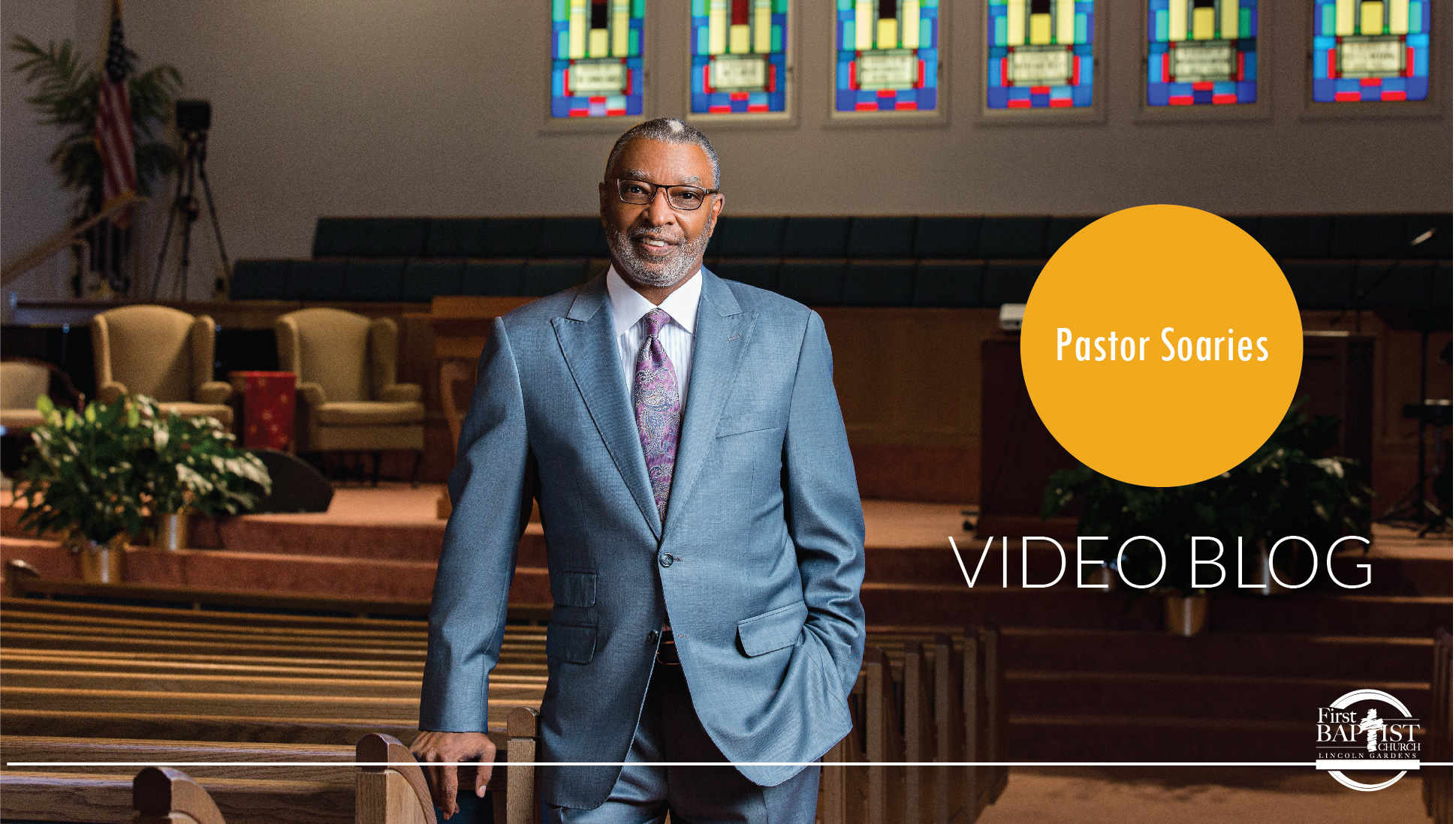


While the FBCLG members left today to return home, Rev. DeForest B. Soaries, Jr., senior pastor, continued his stay in Africa by traveling to Liberia. He spoke today at the Providence Baptist Church in Monrovia to youth who attend a Friday Hot Meal program. The young people are homeless and war refugees that the church is helping. The Liberian president, Ellen Johnson Sirleaf, and United States’ ambassador, Linda Thomas-Greenfield, are seated behind him.
Two FBCLG members share their Ghana experience
February 2nd, 2012Betty Heard
My reflection on my first visit to Ghana is at the craft market. My first few minutes at the craft market were overwhelming. There were thousands of vendors in booths selling clothes, materials, food, jewelry and other household items. There were bumper-to-bumper cars everywhere.
Vendors surrounded our bus selling their wares. The music was playing loudly in the background. The women were walking around selling their wares from a plate on top of their head. Once I stepped off the bus I began to calm down a little. I thought to myself, “This is an experience of a lifetime. Here I am in Africa, the Mother Land. This beautiful country is from where my ancestors came.” I felt at home and I felt connected to the Mother Land. My fears slowly began to ebb away and I no longer felt overwhelmed.
I started bargaining with the vendors and greeting my fellow man. A love so powerful rose up in me as I experienced the most wonderful joy in my heart as I walked around the craft market.
Missionary Odessa Hartgrove
This is my second visit to Ghana and the connection is even greater this trip. On my first visit to the Elmina Slave castle in Ghana, God showed me a vision of a little old black lady sitting on the concrete floor with dirty clothes and a dirty scarf tied around her head. I was so moved by this experience that at 75 years old, I wept like a baby. She did not look like the grandmother I was raised with, but the connection was strong and moving.
Beyond any expectation, I may have thought perhaps she was my great, great grandmother. I really cannot say. The Bible says that all people are created in God’s likeness and image. The people of Ghana are just like you and me. We are connected in more ways than I have ever thought possible. God loves all people. He asks us to love one another. And across the Atlantic Ocean, I know it’s possible to love people we don’t personally know or have met.
The second visit allowed me to connect to a greater degree with the people. We hugged and greeted each other like friends. God’s word says the poor will always be with us; but through God’s grace and mercy, we can do more to connect and serve the people of Ghana.
In reflection, I must forget my selfishness and be the servant God desires of me. I should sacrifice more. First Baptist Church of Lincoln Gardens join me in prayer for the people of Ghana to prosper.
Trip to Africa shows how much work still needs to be done
January 31st, 2012Day Eight
Written by Inita Nesmith
Thank you Jesus for waking me up to another beautiful morning in Africa. Every new day is better than the day before because I am so delighted and honored to be here.
Today, we went to Kyebi to meet with the Queen Mother. We arrived at the palace at 10:45 a.m. and stayed for a couple of hours. We discussed were women’s empowerment, HIV/AIDS, need assessments for their 20 schools, the lack of resources in the schools (books, stationery and book bags), a simple breakfast for the children each morning and sustainable support for their different campaigns. The King’s wife was also in attendance.
After the meeting, we visited the Kyebi Hospital. The hospital is in fair conditions and the patients are being treated with care. The hospital does needed additional funding to support its operation and staff.
Our journey also included lunch at a restaurant, Linda Dor.
After lunch, we visited the University College of Agricultural and Environmental Science. This university was built in 2004 by the King and there are currently 17 students. One is female. The three programs of study are Agricultural, Forestry and Environmental Science. The school is still a work in progress and it is yet another opportunity for us to support.
As we headed back to Accra, we were able to do some bead shopping with Pernille and Bulow Jewelry. These beads are hand crafted by single Ghanaian mothers working to support their families and to pay for their children’s education.
When we arrived back at Accra, we stopped and picked up dinner before heading back to the hotel for the night.
To summarize, my first week in Africa is still something I am trying to process. I know I am a better person because of my trip back home to Africa but I am still struggling with so many inner emotions of all I have seen while being here. There are so many endless opportunities to help, teach and serve this country, so much so, that thinking about it can leave you overwhelmed.
When we spoke on Sunday with King Osagyefuo Amoatia Ofori Panin, he said his biggest challenge is giving hope to his people. What a tremendous challenge. And the slogan he uses is “Helping One, Helps All.” I have prayed for this country all of my life, but now that I have been here my work has just begun………..
FBCLG members worship in Ghana
January 30th, 2012Ghana Reflections – Day Seven
By Mildred and Peter Breyer
We approached a small alleyway sandwiched between small ram-shackled houses. Our brave bus driver made his approach and began driving through to our destination for the morning, which was the New Creation Baptist Church in Koforidua. The ruts were huge and here at home nobody in his right mind without a four wheeled vehicle would even attempt this feat. But this is Ghana where the seemingly impossible is an everyday occurrence. Finally, the large tour bus stopped because of a low-hanging wire and we traveled the rest of the distance on foot. We arrived at a one-story concrete building sandwiched between a corrugated metal house and an open-air car repair shop.
We were warmly greeted in this small church with about 75 people and were soon part of the Ghanaian Christian experience. There was praise and worship, which at first was pretty much like our church. But then the dancing started, and I mean real dancing just under the podium. Rev. Johnson led the charge of First Baptist visitors, who joined with their Ghanaian brothers and sisters, in a dance of praise to celebrate God’s mercy and grace was in this small Baptist church in Ghana.
This Sunday happened to be Woman’s Day and the sermon was delivered by one of the deaconesses. The church was small, the doors were wide open, we could hear some type of hammering and metal work in the background, and at one point the overhead fans stopped and we heard the rumble of a generator coming on. But despite it all, God was alive in everyone hearts this morning as we all joined together to experience God’s love and mercy – not as Ghanaians or Americans – but as God’s children here on this earth.
At the end of the service we shared some small mementos – First Baptist pens – with our Ghanaians brothers and sisters. Upon departing the church, we became more aware of a small corrugated hut just 15 feet from the church where a woman was working hard cooking a huge pot of tomatoes. She looked so poor and her surroundings so dismal. With our huge tour bus by then in front of the church we made our departure in the opposite direction treading carefully between the huts/houses, rutted roads and the open-garbage dump. For people to celebrate just being alive and receiving God’s grace in the midst of such squalor was enough to bring one to tears. We had to wonder about the many useless things we often pray for and how little these people in Ghana have.
Our next stop was at King Osagyefuo Amoatia Ofori Panin’s Palace or more appropriately his headquarters. We were greeted warmly by his assistants and ministers and then Pastor Soaries in our first meeting with him on our Ghanaian visit/mission. He was dressed in a comfortable white African suit. He was seated next to the king, which made it appear as two kings were sitting side by side. After a nice lunch, we were formally introduced to the king and his entourage. In Ghanaian custom, we were led in a formal line to shake hands with all in his entourage and the king himself. We were provided some background on his ministers and then the floor was open to ask questions of the king. The questions and answers were lengthy and we began to see that behind all the titles and protocols was a man who in many ways was an American man.
After spending about 25 years in America with a solid profession, at age 48 he was called to fulfill his tribal obligation as king when the position was left vacant. When asking his wife about fulfilling this obligation she agreed under the condition that he not take another wife. Although totally Americanized, he did elaborate that his grandfather had 45 wives and 95 children. With her agreement he returned to assume the throne of this tribal kingdom with 40 towns and villages and about two million people. Although not vested with any political power, he is a spiritual and cultural leader attempting to develop the areas under him. We could sense his difficulties and frustrations and he said that his greatest challenge is to change the way people think so that his area can experience more rapid development. He referred to Pastor Soaries as his spiritual leader and described his habit of following his sermons through CD’s and streaming online. At the end of the formal audience, Pastor thanked us for coming to Ghana and helping to strengthen the relationship between our church and the Okyeman Kingdom. We left on a hopeful note of his tremendous energy and dedication, but yet mindful of the tremendous challenges facing him.
Our final stop in this awe-inspiring day was a children’s reading group establish near the king’s palace in a small grouping of houses built by Habitat of Humanity. The houses were inhabited by lower-income people, typically subsistence farmers with small plots of land. After walking through the dusty road we found ourselves facing a grouping of about 100 children seated close together under a canopy. They were arranged in three age groupings – three to six, seven to nine and 10-13.
The YaCoR reading group was established a year ago to provide reading skills to poor Ghanaians on Saturdays to supplement the meager education they receive in their village schools. When looking at the youngest group, all I could think of was my three-year old granddaughter. The Ghanaian children with their wide eyes and hopeful smiles tore at our hearts. The girls were hard to distinguish from the boys because of their short hair. It was their shoes, some slightly high heeled for the older girls, that gave them away and somehow I knew that they were wearing their Sunday best for us. The leader of their organization, Anita, who had a beaming smile and open personality, told us that these children would be talking about this visit for a long time. We delivered a suitcase of books for their library and Rev. Johnson closed the occasion in prayer. She told the children that God has a plan for them and it was up to them to use all that they had to actualize that plan.
We were then led to their library where the books were delivered. One small boy took Mildred’s hand and continued with her all the way to the library. He was said to be three years old, but looked so sad and dejected. He had huge eyes and just looked. The teachers said that he is very quiet and shy. The look in his face tore at our hearts. He just looked at us and quietly held our hand. It was such an emotional experience to spend that short time with these children, which really sums up our reflections on our Ghana visit to date. Every day has been filled with such new experiences and emotions that it seems like we reached the peak and then the day starts anew with a heightened experience awaiting us.
We have to thank Pastor Soaries, Linda Bennett and the church in general for making this trip possible for us, and most of all we have to thank God for allowing us to undergo this experience. We will be better for it and we will multiply the experience by our pictures and sharing of stories with friends.
Reflections from Ghana, Day 4 – Canopy Walk
January 27th, 2012Canopy Walk
“Every journey begins with a single step”
By Gail Henderson and Deborah & Albert Davis
Today we visited the Kakum National Park; the ride to the park was bumpy yet scenic. During the 90-minute ride, we got a glimpse of life in the countryside of Ghana. We arrived safely and some of us were excited about the adventure we were about to face. Canopy walk allows those that are brave at heart and not fearful of heights to walk high above the tree tops. The entire experience was both frightening and quite rewarding, especially for one member of this trio reflection team who was determined that she was NOT going to walk across the bridge. BUT through God… she was able to conquer her fear.. Here is her personal testimony.
I was contemplating whether I should do this. Then I said I will wait until I see this Canopy bridge for myself. Then I said to God, Lord if you want me to face this challenge, please give me the strength and courage I need.
I thought to myself, “This is hard.” I was not expecting this. This is too rough! And again I said “Help me, Lord; give me strength to climb this mountain.”
My initial thought when I first laid eyes on the bridge was, this is too narrow and my insides were numb. Then I was told there were seven bridges that I had to go through in order to get to the other side. I said “Lord, help me to accept this challenge and cross over to the other side.”
I had to talk to myself and I said “Self, God wants you to step outside of your comfort zone, outside of familiar, outside of your security blanket and face your fears head-on.” And then God said “You will never conquer fear unless you confront it head-on, and trust God to help you along that path.”
I was scared; however, I realized that if I did not overcome this, it would stop my growth. It would hinder my destiny. I had to learn to keep my focus and to listen to those who had gone before, instructing me on what to do and place one foot in front of the other.
I felt victory. I felt my insides light up. I was so happy that I took the challenge and trusted the Lord to carry me through and to have his people on the side lines cheering me on. It was like I had won the Olympics.
I said “I can’t turn back.” I had to conquer the seven bridges because the number seven means completion. It meant growth. It meant maturity. I had to finish.
I had to totally trust God. I kept calling on His name. He would show me the little bumps along the way to prepare me for what was ahead of me like a child, I said “okay.” I felt safe.
I felt that if I just put my confidence and trust in God, more and more I will learn that He will always be right there even in the difficult places.
HE said step down into the unknown.
Following our exciting adventure, we boarded the bus and headed to lunch at the Alligator Farm. After a delicious lunch, we got to witness the feeding of the alligators which was exciting and a little scary as the alligator showed us all of his/her teeth and some of us let out a few screams. We boarded the bus again for the long traffic-filled ride to Accra and it was an enjoyable and rewarding day!!
A visit to the Elmina Slave Castle humbles FBCLG members – Ghana reflections Day 3
January 26th, 2012
Rev. Angelita Clifton
Associate Minister, Fountain Baptist Church
Upon entering the Elmina Castle courtyard, my spirit sailed across the sands of time. Black rocks lined the shore like black bodies from long ago transporting the mind’s eye to another place and time. Waves whipped against the shoreline beating my head and heart into the past. Palm trees swayed, heavy with the anguish of my ancestors. The dust of death disturbed by footsteps stole my breath, a reminder that in the age old ash was my ancestry. Soil stained by the savagery of slavery singed my senses burning images I could not fathom. My mind spinning, I walked through dungeon after dungeon on my way to the door of no return. Emotions welled up in my chest like tears in my eyes as I sojourned through the pain. Spellbound and speechless, the castle surrendered my spirit to the sunlight with a prayer in my lips and peace only my God can give. The experience is forever etched on my heart!
Trustee Eva G. Carmichael
After breakfast at the Elmina Beach Resort, we boarded the “Green Hornet” (the name we gave our brightly colored transportation vehicle). Our driver, Frimpong, and our hostess/tour guide, Vivian, were assigned to us compliments of King Osagyefuo Amoatia Ofori Panin.
We begin every journey with prayer, this morning Rev. Sheila Gipson led us in devotion. The landscape along the way is truly an amazing sight. Thousands of people line the streets selling their goods and products. It is remarkable how the people of Ghana embrace the concept of entrepreneurship.
The first castle we visited was the Elmina Slave Castle. Elmina means gold mine. The castle was built in 1482 by the Portuguese who came to Ghana. It was built for the trade of gold and ivory, and later became the center of the slave trade. The Dutch later captured the castle from the Portuguese and they along with other Europeans continued the slave trade. The British eventually ended slave trading when they arrived and granted the Gold Coast its independence in 1957.
It was here in Ghana that life started and ended for many of our ancestors. As we look into the faces of the Ghanaian people, we see the face of our ancestors who came through this place and never returned. People who were once happy in their homeland before the diaspora. Men and women were captured by the various European groups and warring tribes and sold as slaves for gold and other merchandise. Our tour guide, Kofi, escorted us through the deplorable holding cells and described to us how our ancestors’ journey began. The slaves were herded like cattle into dungeons. The men were branded with hot irons, and the women were raped. Eventually they were forced to enter the “door of no return” and those who survived were dropped off in distant and foreign lands. We ended our tour at the “door of no return.” A floodgate of emotions erupted while Rev. Alyson Browne Johnson prayed. Someone in our group cried out, “Jesus, how could people think of doing such things to others?”
Next, we visited Cape Coast Slave Castle. There, we were met by tour guide, Justice, who provided us with some history of the trans-Atlantic slave trade. Of the original 40 slave castles in Africa, 30 of them were in Ghana. The oldest being Elmina. Cape Coast Castle was built specifically for the trading of slaves by Sweden in 1665, who like many others came to Ghana looking for gold. As we gathered in the courtyard, our guide explained how various owners branded their property – the male slaves. We proceeded to the male dungeons consisting of five chambers which housed about 1,000 men at any given time. We approached the dimly lit opening of the male dungeon. The chamber at one end was used to house aggressive males who were willing to fight for their freedom. They were fed through an opening in the ceiling because the conditions at ground level were so deplorable that the soldiers did not want to enter. Along the brick floor, trenches were dug to collect waste which eventually ran into the sea. Slaves ate, slept and eliminated in the same area. Justice said that the floor was once covered with many layers of waste which later took years to remove. He said “you are standing on the blood, sweat, and tears of your ancestors.”
Each chamber held 200 slaves. There was practically no light in the chambers except for the last chamber which was directly connected to the “door of no return.” This chamber had significant lighting which permitted the owners to verify their property before loading it onto the ships.
The female dungeon was similar. The only difference was that females were fewer in number. As I stood in the middle of the female cell, I could feel the despair of those who would rather die than live in those conditions.
We have all seen drawings and pictures of slaves scantily dressed, shackled and chained together. Those images flooded my mind and brought tears to the eyes of many of us. These and other images were brought to life for us as we visited the castles. We felt the pain our ancestors endured and it was overwhelming.
Approximately three million slaves were captured, but only one-third survived. They survived because of God’s grace, and we are eternally grateful.
Min. Deborah L. Stapleton
There is an Adinkra Symbol – Gye Nyame – that means “except God,” which speaks to God’s omnipotence and immortality. As we entered the Elmina Slave Castle this morning, I reflected on the meaning of “Gye Nyame,” but for God my ancestors, your ancestors, our ancestors never would have made it through the Middle Passage. This was not my first visit to the Elmina Slave Castle or to the Cape Coast Slave Castle, and yet the feeling for me remained the same as when I first stepped onto this sacred ground. I fought back tears and tried not to breathe in the stench – the stench was more imagined than real because the smells are long gone, but dungeons for the male slaves and female slaves remain as if still filled with the spirits of our ancestors.
We had to bend over to walk through the narrow doorways into the darkened sections of the dungeons, called rooms where the slaves (three million over the more than 155 years of slavery) were held awaiting the vessels that would take them to lands that we now call home. How could anyone have survived this human holocaust? But God!
At the “Door of No Return” in the Elmina Slave Castle, Rev. Alyson Browne Johnson prayed as the cries of those past and present were heard resounding throughout the darken hallowed ground. The “Door of No Return” at the Cape Coast Slave Castle opened and we walked through. The water has receded, the fishermen have claimed the land, and we stand looking across the Atlantic Ocean. As we turn to enter, Justice tells us to look up to see the sign that says, “The Door of Return.”
“Akwaaba, Welcome!” We are greeted as we re-enter the slave castle with a newness of spirit, commitment, and resolve. This was not a tour or a visit. This was and remains a pilgrimage home.
At the entrance to both slave castles, there is a sign that is not read until the end which reads:
In Everlasting Memory
of the anguish of our ancestors.
May those who died rest in peace.
May those who return find their roots.
May humanity never again perpetrate such injustice against humanity.
We, the living, vow to uphold this.
Reflections from Ghana – Jan. 23-24
January 25th, 2012Reflections (Days One and Two)
By Carmen and Frederick Douglass
Jan. 23-24, 2012: The day the church group left to go to JFK airport was rainy and damp, but because God is good all the time, we said a prayer and arrived at JFK airport safe and in good spirits.
The plane to Ghana took off at 10:15 p.m., carrying approximately 230 passengers. Although it was a rainy and foggy night for the plane to take off, I thanked God that it was not snowing.
Our group was very friendly and helpful in making each other feel at home. The flight to Ghana took 10 hours. I loved that the plane had two isles and a middle section of seating. The back of each seat had its own TV screen and you did not have to pay to watch the many variety of movies, games, TV shows, HBO, etc.
The plane departed on time and it was a pleasant flight even with the many crying infants.
One hour before we were to arrive in Ghana we experienced turbulence and had to fasten our seat belts. We landed in Accra at 7:40 a.m. New York time, which is 12:40 p.m. Accra, Ghana time. Praise God we landed safely! It was very moving to set foot on our Motherland and to start to experience where our ancestor came from. To be here and to see and experience the greatness of the African continent and its people is a thrill.
Our hostess was very warm and respectful to our group, explaining the type of food that we would eating at the Buka restaurant. The selection of food was interesting. On the way to the restaurant we saw our African brothers and sisters practicing their entrepreneurship selling all kinds of items on the street, from food to clothes, toys and crafts. Some of the young men selling their goods were very pushy and relentless. At times it became annoying but than I realized that they were practicing the philosophy of, if you do not succeed try and try again. I bought two bracelets.
Leaving the restaurant we boarded our bus to Elmina beach Resort. To my surprise we were given the dignitary treatment with a police escort. They lead the way to help us navigate through the heavy traffic. As we traveled through the city, it was interesting to see the African women carrying heavy items on their heads with little effort.
After a two hour drive we arrived at 8:00 p.m. at the Elmina Beach Resort. Although it was dark out when we arrived, you could see that this was an architecturally pleasant looking resort.
The hotel staff was very helpful in making us feel at home and escorting us to our rooms. The meals that we were served were very tasty. We thank God for giving us the opportunity to make it to Africa.
Pastor Soaries to begin relationship series on Sunday
January 20th, 2012Please Join Pastor Soaries Sunday as he begins is preaching and teaching series on relationships. The series will be featured at the 7, 9 and 11 a.m. services on the following Sundays:
Relationship with God – Jan. 22
Sexual relationships – Feb. 12
Family relationships – Feb. 19
Business relationships – Feb. 26
Church relationships – March 4
Racial relationships – March 11
Financial relationships – March 18


